hvac
Dirty AC Coils in Texas Heat: What They Cost You and How to Fix It
Short answer
The outdoor condenser coil is where your AC dumps the heat it pulls out of your house. When dust, grass and pet hair mat over it, heat cannot escape, so the system runs longer, cools less, costs more to run and wears out sooner. A seasonal coil cleaning, ideally each spring, keeps the fins open.
Anyone who has lived through a North Texas summer knows that when the temperature climbs past 100°F, your air conditioner is not just an appliance. It is a lifeline.
A Fort Worth AC that could not breathe
Recently, Lantern Home Services was called out to a home in Fort Worth where the AC was running nonstop but struggling to keep the house cool. When our technician walked around to the outdoor condenser unit, the problem was obvious within seconds.
The outdoor coil was buried under a thick, felt-like blanket of dust, grass clippings, pet hair and airborne debris. The system was literally suffocating.
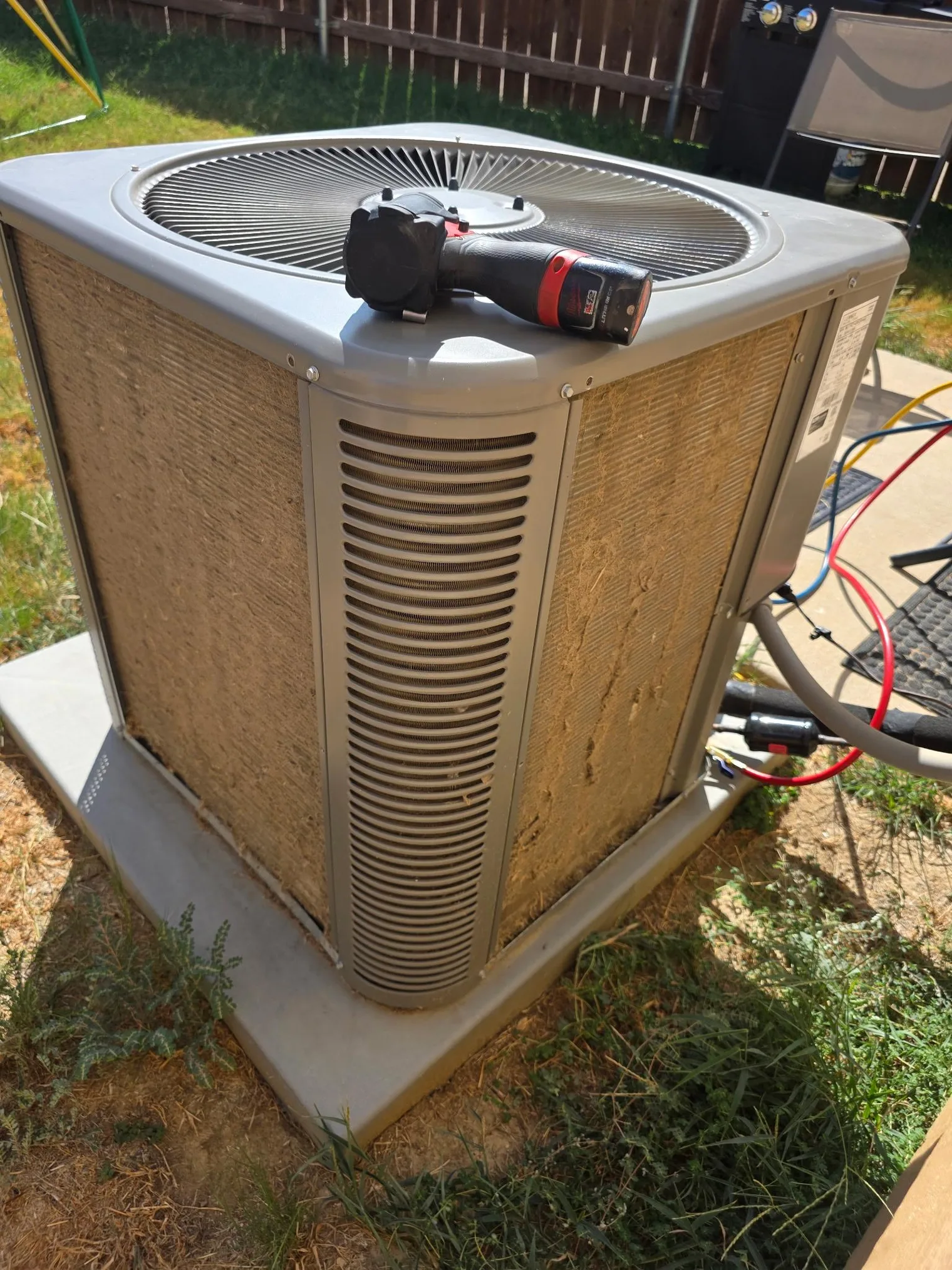
Before: thick dirt and lint blocking the heat from leaving the unit.
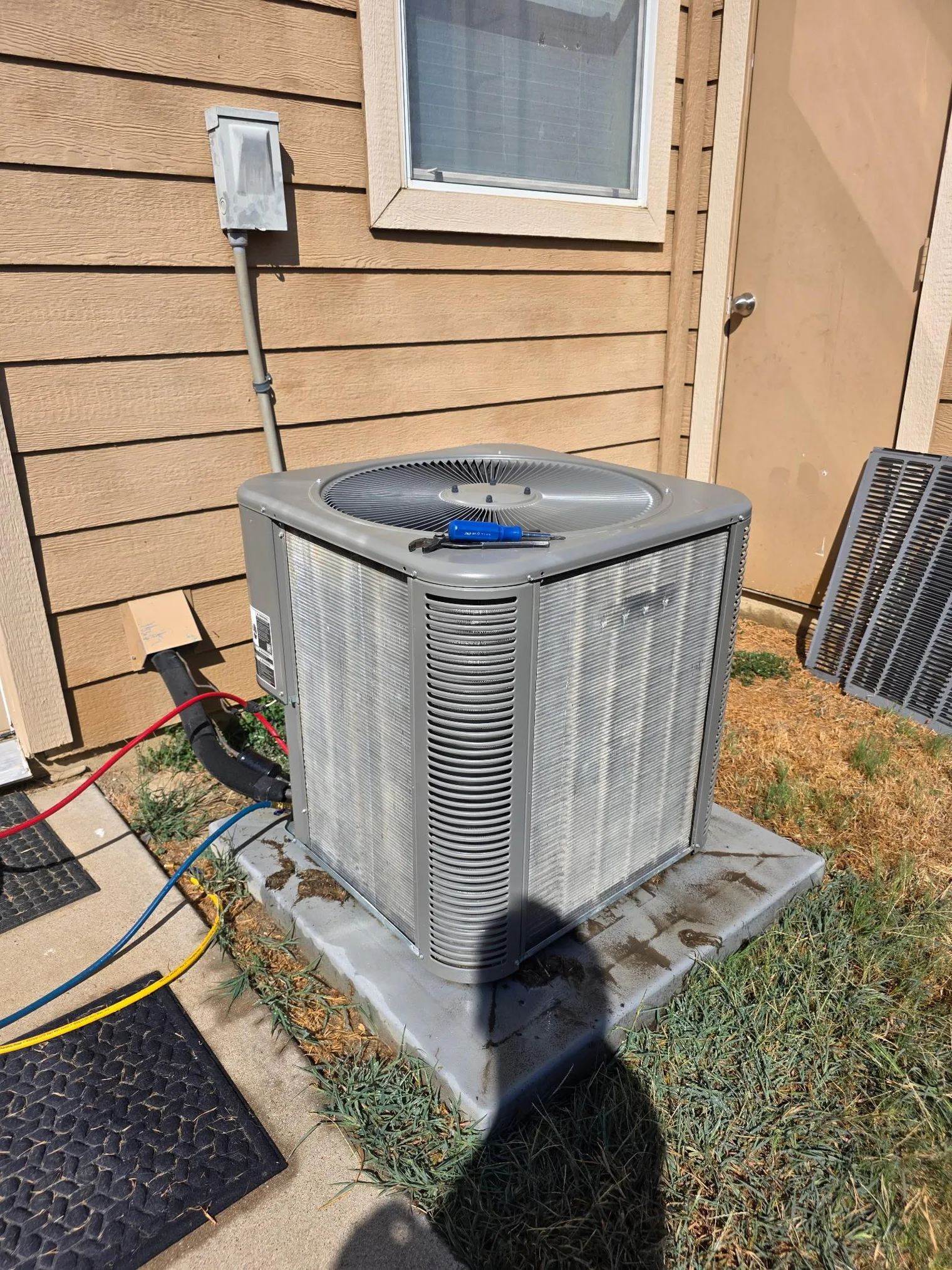
After: rinsed and cleared fins, ready to move air again.
Once we thoroughly washed and cleared the coil, airflow was restored, system pressure stabilized, and cold air was flowing back through the vents within minutes.
That job had a happy ending. Neglect like that usually does not, and here is why coil maintenance matters so much for North Texas homeowners.
1. A dirty coil makes your system run longer and cost more
Your outdoor unit has one job: release the heat collected from inside your house into the outside air.
When dirt coats the condenser coil, it acts like insulation. The heat has nowhere to go, so the system runs longer cycles to bring the indoor temperature down even a couple of degrees. ENERGY STAR puts it plainly: dirty coils reduce the system’s ability to cool your home and make it run longer, which increases energy costs and shortens the life of the equipment.
2. It can wear out your compressor early
The compressor is the heart of your cooling system. When airflow is blocked and heat is trapped, pressures and operating temperatures inside the sealed refrigerant system climb.
Running under that kind of stress through a Texas heat wave eventually leads to:
- Overheated motors
- Burned-out capacitors and contactors
- Compressor failure
A failed compressor is one of the most expensive repairs in HVAC, and on an older system it can push the decision toward replacing the whole unit years before you planned to.
3. Think of it like an oil change for your car
Nobody expects a car to run smoothly for 100,000 miles without oil changes, new filters and fluid checks. Your AC is no different.
All cooling season, the outdoor unit pulls a huge volume of air through its fins. Dust, cottonwood seed, pollen and lawn clippings build up along with it. A seasonal coil cleaning is the routine care your system relies on to:
- Keep cooling efficiency up
- Keep your electric bill down
- Add years of reliable life to the equipment
ENERGY STAR recommends checking the cooling system every spring, before the heavy season starts.
Keep your cool with Lantern Home Services
A quick seasonal inspection and coil wash can be the difference between a comfortable home and a mid-summer breakdown.
If your AC is running nonstop, blowing lukewarm air, or your electric bill keeps creeping up, do not wait for the compressor to fail. See AC tune-up and coil cleaning for starting prices, then book your tune-up online or call or text (682) 337-0863.
Want a local pro to take a look?
Tell us what is going on and a Lantern team member will reach out to set up a visit. Prefer to talk? Call or text (682) 337-0863.
Common questions
How often should AC coils be cleaned in North Texas?
Have the cooling system checked every spring, before the heavy cooling season. Homes with pets, cottonwood trees, or grass mowed right up to the unit collect debris faster and can need a second look in mid-summer.
What are the signs of a dirty condenser coil?
The AC runs continuously, the air from the vents feels lukewarm, or your electric bill keeps creeping higher. Any of those is a reason to have the outdoor coil looked at before the compressor pays for it.
Is coil cleaning part of an AC tune-up?
Routine seasonal coil cleaning is part of the standard care your system relies on. Lantern lists the tune-up and the condenser coil cleaning separately, each with its own starting price, on the AC tune-up and coil cleaning page.
Sources
- Maintenance Checklist ENERGY STAR (U.S. EPA and DOE)